
It’s National Rose Day, and we are toasting with all things pretty in pink. Dozens of red grape varieties are used to create dry Rosé wines, each lending unique flavor profiles, textures, and characteristics to their style of Rosé. These varieties include every grape from the Rhone Valley, Bordeaux, Burgundy, Italy, Spain, Portugal, America, and on and on and on.
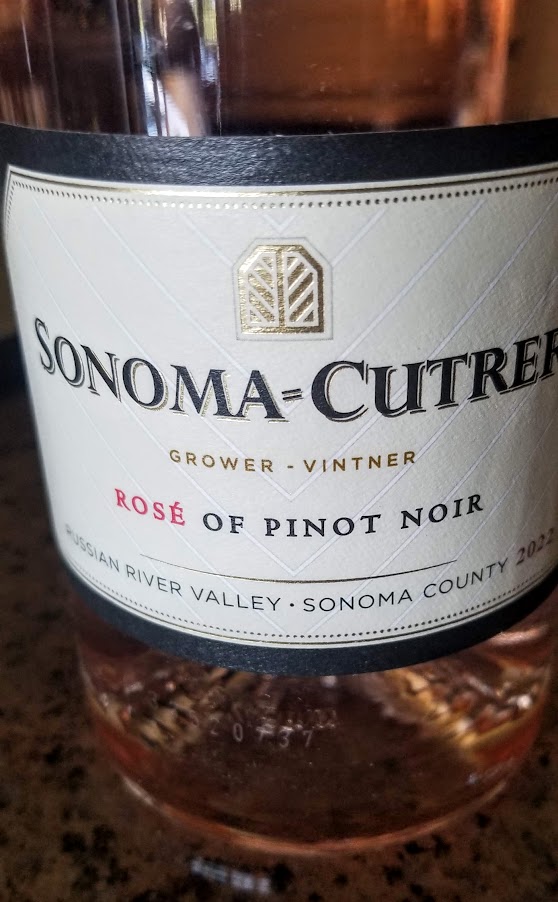 One of the most widely used varieties of Rosé is Pinot Noir. The Burgundian grape delivers gorgeous floral aromas of rose and violet with wild berry, watermelon, and tangerine flavors. Some producers allow very little skin contact when making Rosé from Pinot fruit, while others allow the grapes to sit on the skins a bit longer, developing richer color and more pronounced red fruit flavors while remaining completely dry. Sonoma-Cutrer Rosé of Pinot Noir is light and elegant, with a delicate light pink color delivering layers of Meyer lemon, ruby red grapefruit, and fresh strawberries.
 One of the best on the darker side is from Fiddlehead Cellars in Santa Barbara County. Pink Fiddle Rosé is juicy and well-rounded, with a rich berry color and cranberry, pomegranate, and fresh melon flavors. It is a beautiful, food-friendly wine perfect for pairing with roasted chicken, grilled salmon, or summer grilled vegetable salads.
 The Provence region in Southern Rhone Valley is revered for its sunshine-filled Rosé wine blends of Grenache, Syrah, Cinsault, and sometimes a bit of Mourvedre or Rolle. Since Roman times the region has been a producer of pink wines, highlighting the terroir and local Mediterranean climate. Mirabeau Pure Provence Rosé blends 60% Grenache with equal parts Syrah and Cinsault to create a luscious, layered wine with red fruits, golden peach, and fresh pomelo fruits that meld with herbaceous lavender and sagebrush, with a hint of brininess from the influence of the Sea on the vineyards. A beautiful wine to sip poolside all summer.
 From nearby Tavel, France, an area known for its rich, crimson-colored Rosé wines that have fruit-forward, gastronomic character. The historic Château d’Aqueria showcases some of the finest selections in the region, producing wines from their estate vineyards filled with sandy soils. Allowing the grapes to sit on the skins for an extended period of time ensures the wines have structure, body, and rich fruit-forward flavors. The wine blends 45% Grenache, 20% Clairette, 15% Cinsault, 8% Mourvèdre, 6% Syrah, 4% Bourboulenc, and 2% Picpoul to create a balanced, elegant palate layering wild cherry, raspberry, fresh herb, and a touch of creamy caramel on the finish. This is the wine to enjoy with roasted duck or other game birds, pork loin, or slow-cooked ratatouille.
 Belleruche Côtes-du-Rhône Rosé from M. Chapoutier in the Rhone Valley opens with wildflowers and woody herbs like sagebrush and lavender aromas. The wine is a blend of predominantly Grenache with Cinsault, producing fruit-forward flavors of wild berries, cherries, and grapefruit, with an herbaceous background lingering throughout the wine. This wine should be enjoyed with classic flavors of Southern France, like fish stews, ratatouille, grilled meats, or poultry.
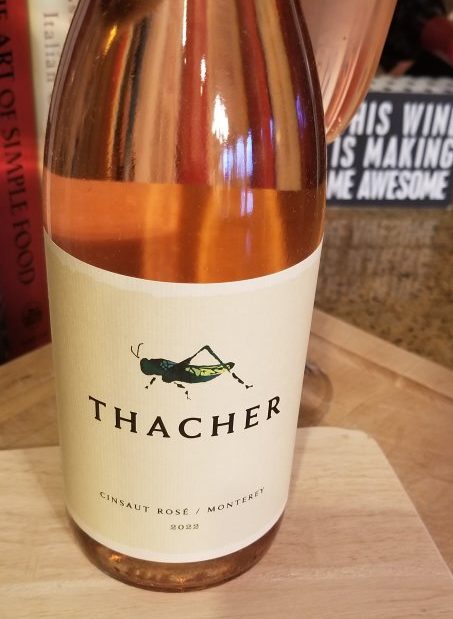 The Cinsault variety is rarely showcased on its own. Instead, winemakers utilize this easy drinking variety as a blending component, taming other powerful Rhone reds, like Syrah or Mourvedre. I love it when it is allowed to shine on its own, as is evident with Thacher Monterey Cinsault Rosé. The wine is zesty and fragrant, with luscious layers of wild berry, rhubarb, and tangerine, with balanced acidity, creating a lively, delicious, inviting palate.
 Red Wine With Breakfast
Heaven. I’m in heaven…
LikeLike
Thank you for featuring our Pink Fiddle Rosé Wine! We hope you enjoy it as much as we do! Cheers!
LikeLike