More goes into the production of wine than growing grapes. The fermentation requires yeast, the aging occurs in barrels, tanks, or concrete eggs, and the packaging traditionally over the past two hundred-plus years has been in glass bottles with a cork oak closure. Unfortunately, the production of glass is one of the most harmful for our environment with dangerous CO2 emissions going into our climate.
Additionally, transporting those heavy glass bottles across countries, oceans, and continents requires more fuel, pumping pollutants into the atmosphere. To help decrease their carbon footprint, some wineries are opting for alternative packaging of their wines, including using glass that is more lightweight or using aluminum, high-quality plastic, and cardboard boxes. While it is easy to love the presentation of a special wine in a glass bottle with a cork, opting for one of these eco-conscious bottles or boxes is one little action you can take in our ongoing battle with climate change.
 Robin Lail has been an advocate for climate change for years. As a representative for the United States with the organization Porto Protocol, an international wine industry organization dedicated to helping wineries work towards achieving a cleaner environment through sustainable practices, Lail works to find and share innovative measures to create a better earth for the future. She is more than an advocate, though; she puts her words into practice at her Lail Vineyards in Napa Valley.
The winery’s Blueprint Napa Valley Cabernet Sauvignon looks a little different with the new release. The wine is packaged in lighter-weight bottles, up to 30% lighter than previous bottles, with a shorter cork and without the foil top. Lail’s Georgia Sauvignon Blanc bottles will also not contain the foil top or capsule, as the decorative element that protects the cork from damage, moisture, or drying out during transport is also wasteful and directly hurts the environment. The capsule is made of plastic and tin and is not recyclable, so without question, it will end up in a landfill.
Tasting the wines recently, I found I was not missing either the former bottle weight or the capsule, as cutting that foil is such a bother when you are ready for a glass. Georgia Sauvignon Blanc, named after Lail’s granddaughter, is as delightful as it ever is. The proprietary white grapes are from a three-acre dry-farmed vineyard in Yountville, on Napa’s valley floor. The wine ferments in partially new French oak, which ages for 20 months, adding texture, creaminess, and additional complexity to the elevated, refined wine. It opens with aromas of orchard fruit, vanilla, and citrus, which are followed by a palate of creamy lemon curd, nectarine, white peach, and crushed stone.
The 2022 Blueprint Cabernet Sauvignon shines with robust yet balanced notes of espresso, dark chocolate, blackberry, elderberry, and cherry. The wine’s tannins are well-integrated and velvety, melding perfectly with the wine’s natural acidity, creating a fully balanced flavor profile. The 2024 release of Lail’s Blueprint Sauvignon Blanc will follow the same bottling methods as the Blueprint Cabernet Sauvignon. Tasting the 2023 Blueprint Sauvignon Blanc, the wine has a vibrant, fresh, and juicy palate with luscious layers of golden citrus, lilikoi, tart apple, and wisteria. And we we love a wine that gives back; 10% of the online sales from Lail’s Blueprint wines go to charities helping fight climate change.

Though single use plastic is a climate problem throughout the world, its production is actually cleaner than glass. Plastic has a lower melting point than glass, so it requires less energy to produce. It weighs a fraction of what a glass bottle does, requiring less fuel to transport. While both materials are recyclable, the mining of silica to produce glass can cause environmental damage and land deterioration. While I agree, cracking open a screw cap on a plastic bottle isn’t as sexy as pulling the cork out of a glass bottle, swapping an alternative option in is a good thing, particularly if a well-made, sustainable wine is inside the bottle.
BLUE BIN wines are just that. From grapes grown sustainably throughout California, the wine is packaged in 100% recyclable plastic bottles that are made from recycled plastic. Each full-size, 750ml bottle weighs only 53 grams! The B Corp Certified winery launched the brand in 2023, offering a selection of approachable, easy-to-drink wines, including a light and zesty Sauvignon Blanc, juicy, fruit-forward Pinot Grigio, balanced Chardonnay, and a food and sunshine-friendly Rose, available for around $15.
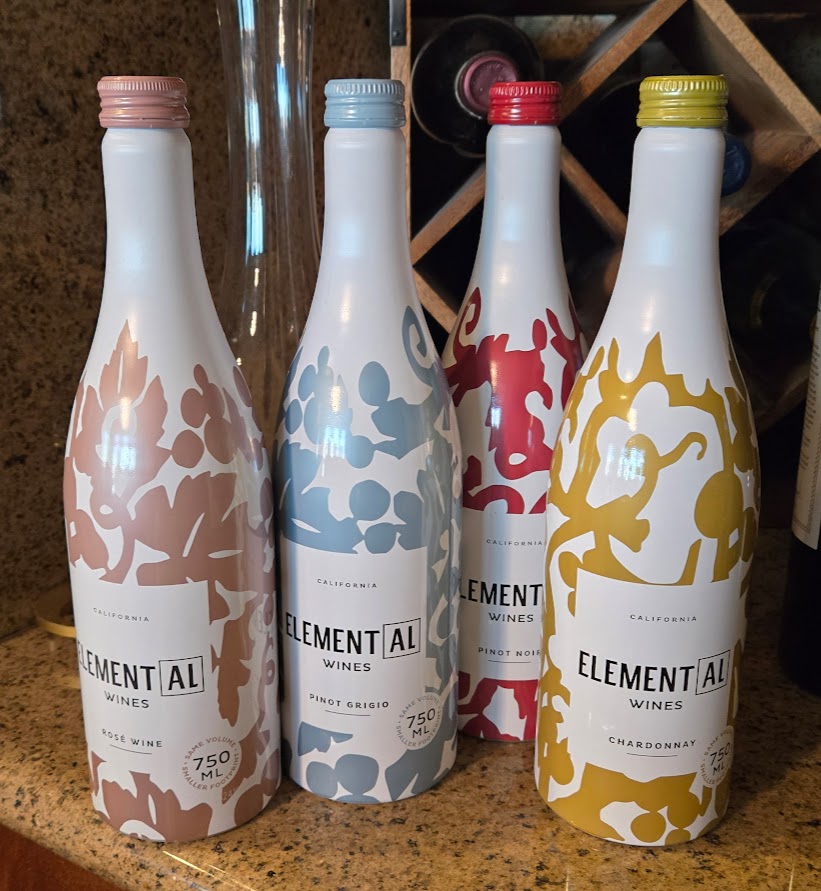
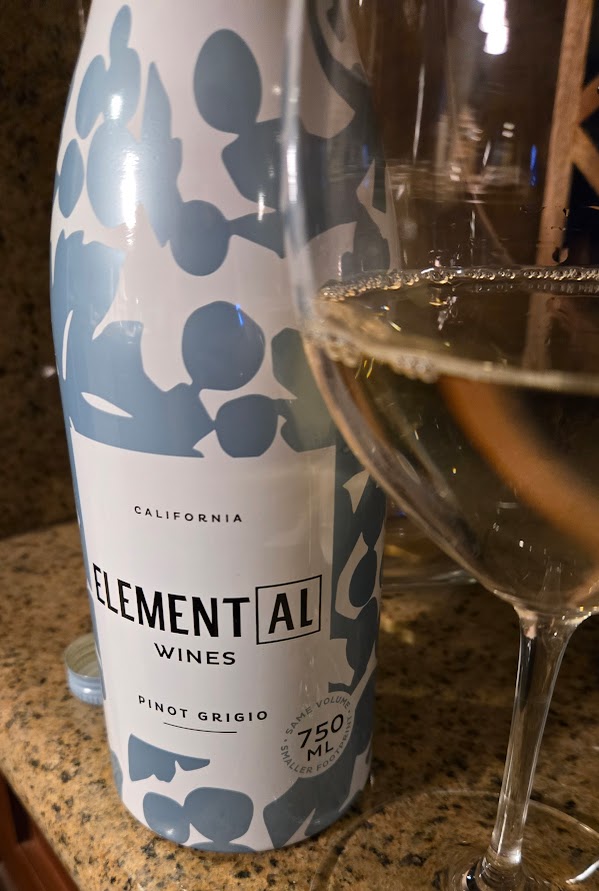 ElementAL Wines also offers a unique design with its 100% recyclable aluminum bottles. The winery, which is a part of the Bogle portfolio, also delivers its wines without paper labels, reducing production energy and waste, and bottles each selection under a screw cap. Each shatterproof bottle weighs 80% less than that of a glass bottle. Each of the wines uses Calilfornian-grown grapes and costs under $20, and depending on where you purchase them, under $15.
The winery’s current selections include a buttery, classic California Chardonnay from grapes grown in the northern part of the state, a refreshing Rose, light and crisp Pinot Grigio, and fruit-forward, easy drinking Pinot Noir with just the right balance of acidity and tannin to make it a great wine to pair with roasted salmon, light pasta dishes, or hearty poultry.
 Red Wine With Breakfast